
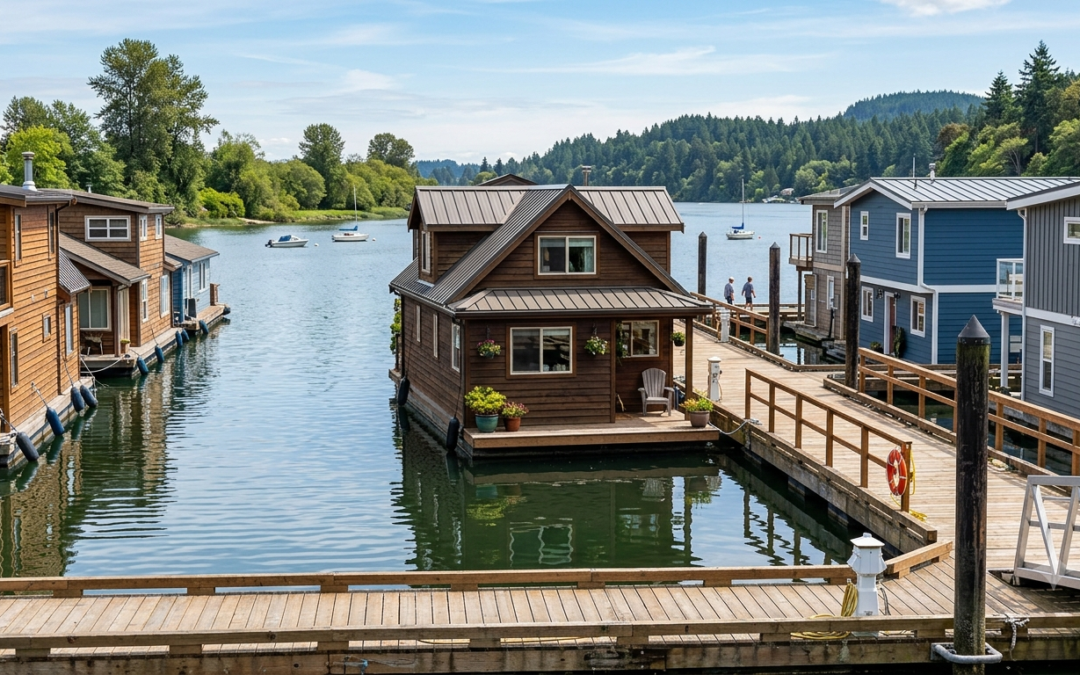
Buying a floating home is exciting, but the insurance side can trip people up fast if they are not prepared. Floating home insurance requirements are different from the policy you would buy for a regular house, and lenders often want proof before they fund the loan. If you are shopping in Sausalito or Marin, it helps to understand the basics early so closing day does not turn into a scramble.
Why Insurance Works Differently
A floating home sits in a marine environment, so insurers look at it through a different lens than they would for a land-based property. They want to know about the float, the structure, the berth, and the risk of water-related damage. That means the policy is usually more specialized, and the quote can take longer than a standard homeowners policy.
In practical terms, buyers should not wait until the final week of escrow to start asking questions. Insurance can affect lender approval, closing timing, and the buyer’s monthly budget. When all of that is lined up early, the rest of the file moves with a lot less friction.
Floating Home Insurance Requirements
Floating home insurance requirements usually include coverage for the structure, personal property, liability, and sometimes the float itself. Some insurers want photos, inspection reports, or details about the home’s age and condition before they will issue a quote. If the home has older systems or past water damage, those details can affect both eligibility and price.
Lenders often require proof of coverage before they release funds. That can mean the buyer has to secure a policy before escrow closes, not after. If the lender wants a specific minimum coverage amount, the insurance agent will need to match it, so there is no guesswork on the back end.
What Insurers Usually Review
Insurance companies tend to look at a few core areas when they evaluate a floating home. They want the home’s condition, the materials used in the float, the marina location, and the age of the structure. They may also ask about upgrades, maintenance history, and any prior claims.
The marina itself can matter too. Some marinas have stronger reputations for upkeep or better protective conditions, while others may raise a carrier’s risk concerns. A buyer in Sausalito might get a very different quote than someone in another waterfront market, even if the homes look similar on paper.
Coverage That Deserves Attention
Buyers often focus on the building portion of the policy and forget the details that can matter most after a loss. Float coverage is a big one, because the float is what keeps the home supported and stable. If the policy leaves that out or limits it too much, the buyer could be exposed to a very expensive problem.
Liability coverage also deserves a close look. A floating home brings guests, marina traffic, and shared waterfront space into the picture. That creates situations where a simple slip or water-related incident can have bigger consequences than a buyer expects.
How This Affects Closing
Insurance can slow a floating home closing if it is started too late. The lender may hold funding until the policy is in place, and the escrow officer cannot finish the file without that step. That is why we always tell buyers to start the conversation early, even before the final loan package is approved.
A clean insurance setup also helps the rest of the closing stay organized. When the policy, lender, and escrow instructions all line up, the final paperwork moves faster. That is especially useful in a floating home transaction, where the berth lease and title transfer already add extra moving parts.
Budgeting For The Policy
Floating home insurance often costs more than a standard homeowners policy. The premium reflects the marine setting, the specialized structure, and the smaller pool of carriers willing to write this kind of coverage. That means buyers should treat insurance as part of the real monthly cost of ownership, not as a side note.
It helps to ask for estimates before removing contingencies. If a quote comes in far above what the buyer planned for, that changes the budget fast. We have seen people fall in love with a home, then get blindsided by the cost of covering it. That is avoidable with early planning.
Working With Escrow
Escrow does not sell the insurance policy, but it helps keep the closing process on track. We coordinate with the lender, review timing, and make sure the file does not stall because one piece is missing. In a floating home transaction, that coordination matters just as much as the title work.
If you are also comparing other nontraditional property types, the floating homes process and the manufactured home escrow process share some of the same planning mindset. The details differ, but the rule stays the same: know the requirements before you are under the gun.
FAQs
Are floating home insurance requirements the same in every marina?
Not always. The marina location can affect what insurers ask for and how they price the policy. Some marinas may be viewed as lower risk than others.
Do lenders require insurance before closing?
Yes, many lenders require proof of coverage before they fund a floating home loan. The policy usually has to meet specific coverage amounts and terms.
Does the policy need to cover the float?
In many cases, yes, or at least buyers should ask for it. The float is a major part of the property, so leaving it out can create a costly gap.
Can I use my current homeowners agent?
You can ask, but not every agent writes floating home policies. Some buyers need a specialty carrier that handles marine residential coverage.
What makes a quote more expensive?
Age, condition, marina location, and past claims can all push the price up. Older floats and homes with deferred maintenance often cost more to insure.
When should I start shopping for coverage?
Start early, ideally as soon as the offer is accepted. Waiting until the final week can slow down your closing or create funding issues.
Ready To Move Forward?
If you are buying a floating home and want a smoother closing, contact our team at Bay Area Escrow. Call (925) 831-9099 and we will help you keep the process moving.