
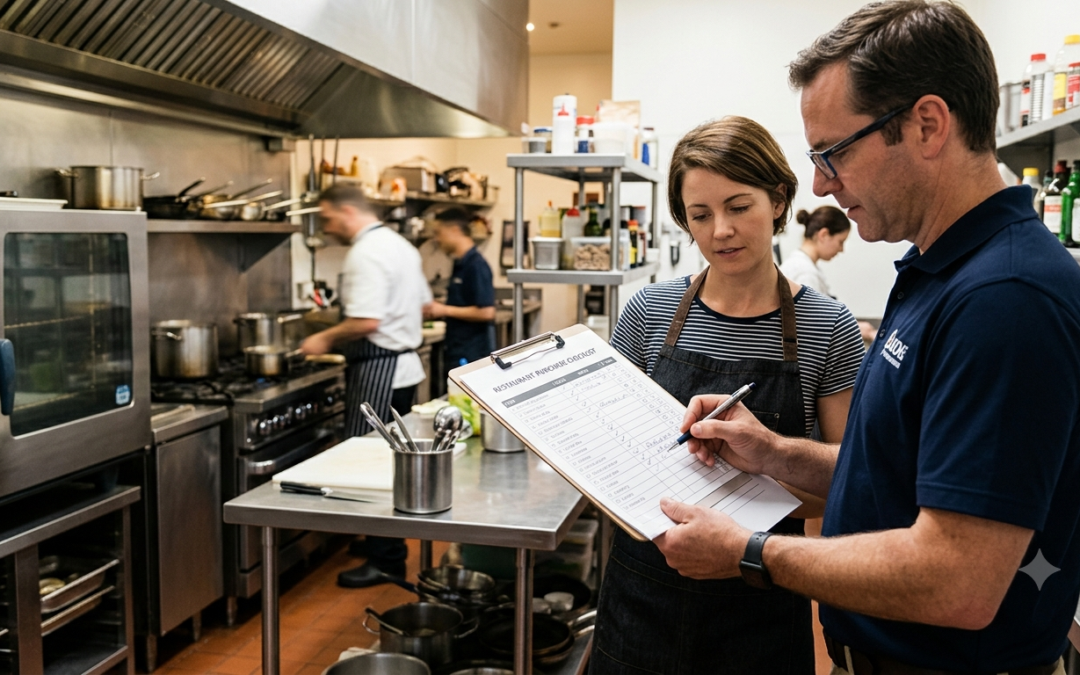
Buying a restaurant can look exciting from the outside, but the deal moves fast and the details get slippery if nobody stays organized. A strong restaurant business purchase checklist helps buyers stay focused on the right issues before escrow closes. If you are looking at a restaurant in Oakland, San Francisco, or Walnut Creek, the checklist below will help you keep your head clear while the paperwork piles up.
Start With The Lease
The lease is often the real backbone of the deal. A restaurant can have great equipment and steady sales, but if the lease is weak, short, or hard to assign, the whole purchase can wobble. Buyers should review the remaining term, rent increases, renewal options, and any transfer restrictions before they go too far.
Landlords also matter here because many want approval rights over the buyer. That can slow the transaction if the paperwork is not handled early. A landlord who wants more financial details can turn a quick sale into a waiting game.
Restaurant Business Purchase Checklist
A useful restaurant business purchase checklist should cover the things that affect the closing, the transition, and the first few months of ownership. Buyers need to know what they are really buying, not just what the seller says is included. That means the lease, the licenses, the equipment, the records, and the employees all need attention.
The buyer should also ask what is excluded from the sale. Sometimes the name stays, sometimes it does not, and sometimes the menu or branding is part of the deal. If those pieces are fuzzy, the closing paperwork needs to fix it before anyone signs.
Financial Records That Need A Close Look
Restaurant numbers can look shiny on a quick tour, but the records tell the real story. Buyers should ask for tax returns, profit and loss statements, sales reports, payroll summaries, and any owner add-backs that affect earnings. A strong-looking weekend crowd does not always mean the books are healthy.
It also helps to compare sales by month, not by a single good season. A place that looks busy in summer may sag hard in winter, and that matters for financing and cash flow. A buyer in Danville or San Ramon should know that local demand patterns can shift the way the business runs month to month.
Inventory And Equipment Checks
Kitchen equipment can be a money pit if nobody tests it. Refrigeration, ovens, fryers, ventilation, ice machines, and point-of-sale equipment should all be checked before closing. Buyers should not assume the seller’s word is enough when a three-year-old walk-in cooler could fail next month.
Inventory also deserves a real count. If the deal includes food, beverages, paper goods, or retail items, the parties should agree on how that stock is priced and counted. A sloppy inventory handoff can turn into a sour little argument right when everybody wants to shake hands and move on.
Licenses And Permits
Restaurant deals usually involve more than one permit. Buyers may need the health permit, the city business license, occupancy approval, and, if alcohol is sold, an ABC license transfer. Those items do not all move at the same pace, which is why they need to be tracked early.
If a liquor license is part of the deal, the buyer should confirm the status of the bulk sales and ABC license transferprocess right away. A delay there can stall the opening date even if every other piece is lined up. That is the kind of problem that makes a buyer wish they had started earlier.
Staff And Training
A restaurant runs on people as much as it runs on food. Buyers should find out who is staying, who is leaving, and who knows the day-to-day systems best. In many places, one veteran employee knows where everything is stored and which supplier always runs late, and losing that person can make the first month rough.
Training matters too. The seller should provide enough handoff time for recipes, ordering systems, vendor contacts, and basic operating routines. If that transition is rushed, the buyer may spend the first week playing catch-up instead of running the business.
Health And Compliance History
Health inspection history can tell you a lot about how a restaurant has been run. Repeated violations may point to a sloppy operation, neglected equipment, or a staff that was trained in a hurry. Buyers should ask for the last few inspection reports and review them with care.
It also helps to ask about past disputes with the health department, fire department, or city planning office. A location with old code issues or unresolved use restrictions can become expensive before the buyer even gets through the door. Those are the kinds of details that sound boring until they cost real money.
Vendor Relationships And Ordering
A restaurant is usually tied to a network of vendors that keep food, supplies, and equipment moving in on time. Buyers should ask for a current vendor list, payment terms, and any special arrangements that keep the operation functioning. If the seller has been late paying suppliers, that can spill over into the new ownership period.
It also helps to know which vendors are most important. A local produce supplier in Oakland may be easy to keep, while a specialty distributor could need the new owner to re-establish the account. Those relationships are part of the business, even if they do not sit on the balance sheet.
Escrow’s Role In The Close
Escrow keeps the transaction moving while the buyer and seller handle the business details. We make sure the signed documents are in order, the closing funds are tracked, and the file does not move ahead before the necessary approvals are in place. That matters when the lease, the licenses, and the purchase agreement all need to line up before closing.
If the restaurant sale also includes a business transfer, escrow helps coordinate the timing so the closing does not outpace the approvals. The same goes for real estate tied to the deal, since a real estate component can change the timing and paperwork quite a bit. The trick is keeping every lane moving without letting one track fall behind the others.
What Buyers Should Double Check Before Signing
Before the purchase agreement is final, buyers should confirm the following items are in writing and easy to follow:
- Lease transfer rights and landlord approval terms.
- Included equipment and excluded items.
- Current sales, payroll, and tax records.
- Health and permit history.
- Staff transition plans.
- Vendor list and payment status.
- ABC license timing, if alcohol is part of the business.
That short list can save a lot of grief later. It also keeps the buyer from treating the restaurant like a mystery box.
FAQs
What is the most important part of a restaurant purchase checklist?
The lease usually matters the most because the location is often central to the value of the business. If the lease cannot be assigned, the purchase may not work the way the buyer expects.
Should buyers review tax returns before making an offer?
Yes. Tax returns help show whether the reported earnings are real and consistent with the seller’s story. They are one of the best tools for spotting a weak deal early.
Why does equipment testing matter so much?
Kitchen equipment is expensive, and repairs can eat into the first year’s budget fast. A buyer should know what works before the closing day arrives.
Do all restaurant sales need an ABC license transfer?
No. Only deals involving alcohol sales need the ABC piece. If the restaurant serves liquor, the transfer usually needs extra time and planning.
Can escrow handle the lease assignment too?
Escrow helps coordinate the process, but the landlord decides whether the assignment is approved. The buyer still needs to satisfy the lease terms and provide the requested documents.
What should buyers ask about staff?
They should ask who plans to stay, who is leaving, and who understands the daily operations best. That helps the buyer plan for training and avoid a rocky opening.
Keep The Deal Tight
A restaurant sale can move fast when the buyer stays organized and the file is handled with care. If you need help with the closing side of your restaurant business purchase checklist, contact our team at Bay Area Escrow. Call (925) 831-9099 and we will help you keep the deal on track.