
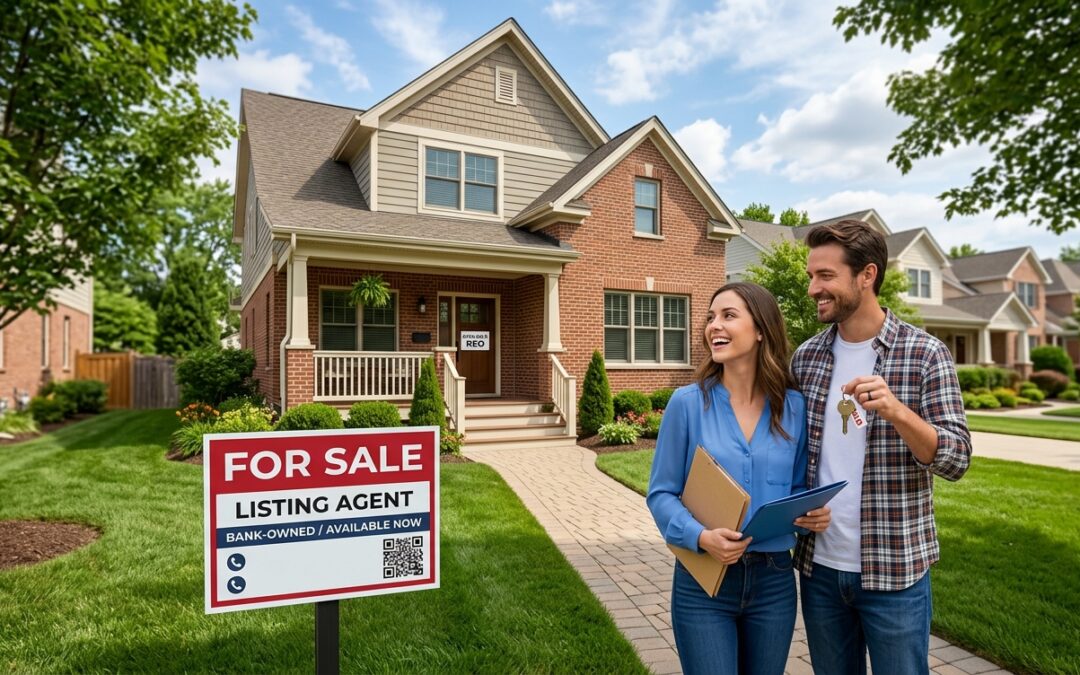
The term REO foreclosure can sound technical when it appears on a property listing. An REO foreclosure meaning is a property that went through foreclosure, did not sell at auction, and became owned by the lender. Buyers may see these homes listed through real estate agents, often with bank-managed paperwork and a different closing process.
REO Foreclosure Meaning Explained
REO stands for Real Estate Owned. The REO foreclosure meaning refers to a property owned by a bank, mortgage lender, or another lending institution after an unsuccessful foreclosure auction. It is often called a bank-owned property, although an REO home is technically in the post-foreclosure stage.
Foreclosure begins when a property owner falls behind on mortgage payments and the lender starts the legal process to recover the debt. In California, many foreclosures follow a nonjudicial trustee-sale process, which includes recorded notices and a public auction.selfhelp.courts.
At the auction, another buyer may purchase the property. If no one bids enough to meet the lender’s required amount, the lender takes ownership. The property then enters the lender’s REO inventory and may be prepared for sale through a broker.
The REO foreclosure meaning is important because the lender, not the prior homeowner, becomes the seller. That changes who signs documents, how repairs are handled, and what buyers should expect during the transaction.
From Missed Payments To REO Status
The path to REO ownership usually starts with a mortgage default. The homeowner misses payments, the lender sends required notices, and the borrower may have time to bring the loan current or pursue another solution. If the loan is not resolved, the lender can move forward with foreclosure.
The property is then scheduled for a trustee sale or foreclosure auction. Buyers at the auction may purchase the property, but auction sales often involve cash requirements and limited inspection opportunities. Many homes do not sell at the auction because the lender’s opening bid is too high or buyers decide the risk is too great.
Once the auction is unsuccessful, the lender receives ownership. The property becomes REO and is often listed for sale through a real estate agent. The lender may remove occupants, review title matters, address basic maintenance, or set a listing price before putting the home on the market.
An REO sale can feel more familiar than an auction purchase because buyers can often tour the property, make an offer, conduct inspections, and use financing. Still, the seller is a financial institution, so the process may feel less personal and more structured.
How REO Listings Differ
A traditional home sale often includes a seller who knows the property and can answer questions about repairs, upgrades, or neighborhood details. An REO sale is different because the lender usually has limited firsthand knowledge of the home. The property may be sold in its current condition, with fewer disclosures than a standard owner-occupied sale.
Buyers should plan for a thorough inspection. A vacant home can have maintenance issues that became worse during the foreclosure period. Broken plumbing, deferred roof repairs, missing appliances, vandalism, or water damage can affect the value of the property.
The price may look attractive at first, but buyers should calculate repair costs, lender requirements, insurance needs, and the property’s overall condition. A lower list price does not always mean a cheaper purchase after repairs. Good due diligence helps buyers see the full picture before they commit.
For buyers in Oakland, San Francisco, Walnut Creek, or San Ramon, market conditions can still affect the offer process. A bank-owned property may attract several buyers if it is well-located and priced competitively. It is worth getting preapproved and reviewing comparable sales before submitting an offer.
The Role Of Escrow In An REO Sale
Escrow remains important because the transaction still needs a neutral party to hold funds and follow signed instructions. The buyer deposits earnest money into escrow, completes required steps, and delivers the balance of funds when the sale is ready to close.
The lender provides its purchase contract and may require specific addenda. These documents often include deadlines, property-condition language, and rules for cancelling the transaction. Buyers should read the contract carefully and speak with an attorney for advice on terms that affect their specific purchase.
Our real estate escrow services help organize the closing side of property transactions. We hold funds, track signed instructions, coordinate documents, and prepare the settlement statement before final disbursement.
An REO seller may have its own preferred process and document requirements. Escrow follows the written agreement, so prompt signatures and careful review help prevent delays. Buyers should avoid assuming the bank will extend deadlines or make informal changes without written approval.
Title Review Matters
Title review is an important part of any property purchase, and it deserves close attention in an REO transaction. The foreclosure process may remove certain junior liens, but that does not mean every possible title issue disappears. Easements, property taxes, municipal charges, or recorded restrictions may still affect the buyer.
The buyer should review the title report and ask questions about exceptions that appear. An escrow officer can explain the closing process, but legal interpretation of title issues should come from a qualified attorney or title professional. It is better to understand the report before closing than to find a surprise after moving in.
The lender may have taken steps to clear title before listing the home, but buyers should still do their own review. A clean title process supports a clean ownership transfer, and nobody wants to discover an old issue after the keys are already in hand.
Inspect Before You Commit
REO properties are often sold “as is,” which means the lender may not agree to repair every item that comes up during inspection. That does not mean buyers should skip inspections. It means the inspection becomes even more useful because it helps the buyer decide if the home still makes financial sense.
A home inspection can reveal roof concerns, plumbing leaks, electrical issues, HVAC problems, and visible signs of water damage. Buyers may also want specialized inspections if the home has a pool, septic system, older foundation, or other feature that requires expert review.
The inspection contingency should be tracked closely. The purchase contract may set a short deadline for inspections, repair requests, or cancellation notices. Buyers should schedule the inspection as soon as the offer is accepted and review the report before the deadline arrives.
The REO foreclosure meaning does not automatically mean the property is in poor condition. Some bank-owned homes are well-maintained, while others need serious work. The inspection report gives the buyer something more useful than a guess.
Financing An REO Property
Many buyers finance REO homes with a conventional mortgage, FHA loan, VA loan, or another approved loan program. The property still needs to meet the lender’s condition requirements. If the appraiser identifies safety or repair concerns, the loan may require repairs before funding.
That can create a challenge in an as-is sale. The lender may require repairs, but the bank seller may refuse to complete them. Buyers should speak with their lender early about the property condition standards tied to their loan type. A cash buyer may have more flexibility, but they still need to budget for repairs after closing.
Preapproval is helpful before making an offer. It shows the REO seller that the buyer has a realistic path to funding. Banks often have structured offer review systems, and a complete offer package can carry more weight than an offer with missing loan documentation.
Common REO Buyer Mistakes
The first mistake is assuming every bank-owned home is a bargain. The list price may reflect the home’s condition, location, or market demand. Buyers should look at comparable sales and repair estimates before deciding the property is a deal.
Another mistake is skipping inspections because the property is being sold as is. That can leave the buyer responsible for expensive repairs they could have identified before closing. An inspection is a practical way to make an informed choice.
Buyers also get into trouble by ignoring the contract deadlines. Bank sellers often use strict documents with short response periods. If a buyer needs more time for an inspection, financing issue, or title review, the request should be made in writing before the deadline passes.
Finally, buyers should not send funds based on updated wire instructions received through a surprise email. Always verify instructions with your escrow team using a trusted phone number. Wire fraud can target any real estate transaction, including bank-owned property sales.
REO Properties And Investment Plans
Some buyers look at REO homes as investment opportunities. The property may need repairs before it can be rented or resold, so the buyer should factor those costs into the plan. Holding costs, insurance, permits, contractor availability, and property taxes can all affect the final numbers.
A buyer planning to renovate should understand any local requirements before closing. Cities like Oakland and San Francisco can have permit rules, tenant laws, or property restrictions that affect timelines and budgets. Consulting the right professionals before making an offer is time well spent.
The REO foreclosure meaning is helpful for investors because it explains why the lender is selling the property. Still, the status alone does not tell you if the deal is strong. The condition, title, price, financing, and local market all deserve their own review.
FAQs
What does REO mean in real estate?
REO means Real Estate Owned. It describes a property owned by a lender after it went through foreclosure and did not sell at the public auction.
Is an REO property the same as a foreclosure?
The terms are related, but they are not identical. Foreclosure is the process used to sell a property after loan default, while REO is the lender-owned stage after an unsuccessful auction.
Can buyers inspect an REO home before closing?
Yes, buyers can often inspect an REO home after their offer is accepted. Inspections are especially important because many bank-owned properties are sold in their current condition.
Do banks make repairs on REO properties?
Some lenders may consider repair requests, but many REO homes are sold as is. Buyers should plan for inspections and understand their loan requirements before moving forward.
Can I get a mortgage for an REO property?
Yes, many buyers use conventional, FHA, VA, or other financing. The home must meet the lender’s appraisal and property-condition requirements before the loan can fund.
Why are REO contracts different from regular purchase contracts?
The lender often uses its own forms, addenda, timelines, and property-condition terms. Buyers should review the documents carefully and consult an attorney for guidance on their specific contract.
Ready To Close With Confidence?
An REO purchase can be a smart opportunity when the buyer understands the property, contract, and closing process. Contact our team at Bay Area Escrow to discuss the escrow side of your transaction. Call (925) 831-9099 and we will help keep the closing organized.